
From Months to Weeks: Why API-First Infrastructure is the New Standard for Lending
Every new integration shouldn't be a custom coding project. API-first lending infrastructure turns engineering projects into configuration exercises.
Daman Singh Kohli
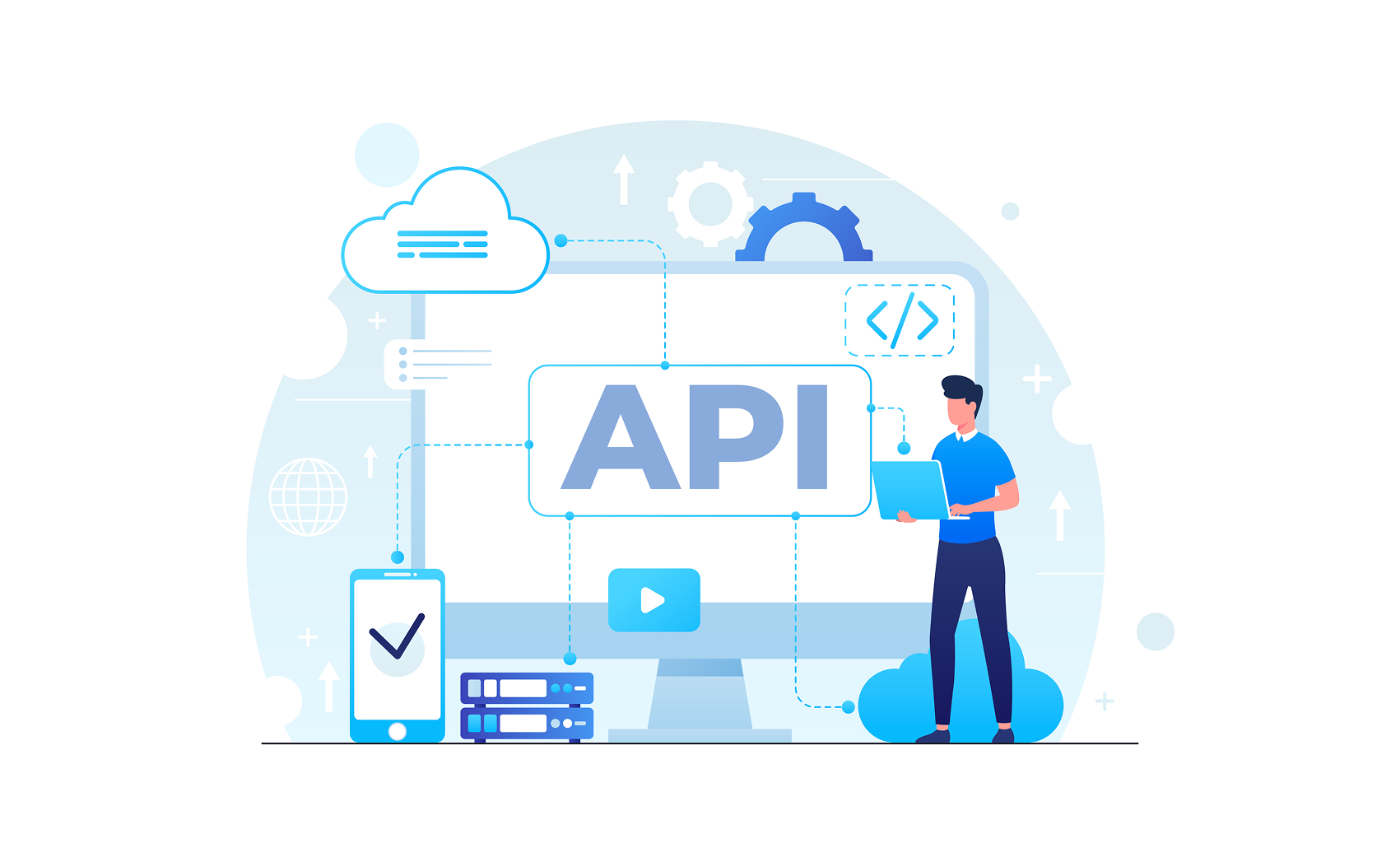
In modern lending, speed isn’t just about moving fast; it’s about agility. When launching a new product or onboarding a partner feels like a massive engineering feat, your infrastructure isn’t an asset—it’s a bottleneck.
Today’s lending journey is no longer a linear path; it’s an orchestration of an entire ecosystem. Between KYC providers, credit bureaus, GST data, and payment gateways, the "lending problem" has transformed into an integration problem.
The "Integration Tax" of Legacy Systems
Traditional Loan Origination (LOS) and Management Systems (LMS) were built for a static world. They assumed internal workflows would remain stable and external dependencies would be few.
In a legacy environment, every new integration—be it a better e-sign provider or a new co-lending partner—becomes a custom coding project. This creates "The Integration Tax":
- Hard-coded Logic: Vendor-specific rules are baked into the core code.
- Vendor Lock-in: Switching an underperforming KYC provider requires a system overhaul.
- Fragile Workflows: One update to an API can break the entire funnel.
What "API-First" Actually Means (And Why It Matters)
Many platforms claim to have APIs, but being API-First is a fundamental architectural choice. It means the platform is built as a series of modular building blocks rather than a single, solid block of stone.
| Feature | Legacy Approach | API-First (Crego) |
|---|---|---|
| Architecture | Monolithic & Rigid | Modular & Orchestrated |
| Integrations | Hard-coded "Add-ons" | First-class, Plug-and-Play |
| Logic | Embedded in Code | Configuration-driven |
| Updates | Risky "All-or-Nothing" | Seamless & Independent |
The Core Shift: In an API-first world, your platform consumes its own APIs. This ensures that internal modules and external partners interact with the system with the same ease and security.
4 Ways API-First Platforms Slash Go-Live Timelines
By decoupling the business logic from the technical integrations, platforms like Crego turn engineering projects into configuration exercises.
1. Dynamic Vendor Routing
Need to switch KYC providers because of a regulatory shift or better pricing? An API-first platform allows you to swap or route providers dynamically without touching a single line of core workflow code.
2. Reusable Building Blocks
Launching a new SME loan after perfecting a Personal loan? You don’t start from scratch. You reuse the existing "Credit Bureau" and "Bank Statement" modules, merely adjusting the configuration for the new product.
3. Simplified Co-Lending
Onboarding a bank partner used to take months of custom API mapping. With a standardized API layer, partners connect to you via a documented gateway, drastically reducing the time to first disbursement.
4. Parallel Testing and Fallbacks
You can run two credit data sources in parallel to test accuracy or set up automatic fallbacks. If Provider A is down, the system automatically pivots to Provider B. No downtime, no lost applications.
The Bottom Line: Design for Change
The lending landscape of 2026 will look different than today. Regulations will shift, new data sources will emerge, and borrower expectations will rise.
At Crego, we didn’t just build a lending platform; we built an extensible infrastructure. We assume change is inevitable. By absorbing the complexity of the ecosystem into a stable, API-first layer, we give lenders the one thing they need most: the freedom to evolve.